

The Magic of Music
As a writing nerd and music lover, these two things go hand in hand like a newlywed couple on honeymoon.
With close to 60,000 yearly listening minutes on Spotify, it’s safe to say that music follows me wherever I go, in all of my everyday activities—writing and working included. Not only is it entertaining, mood-regulating, and therapeutic, but listening to music has a powerful impact on focus, concentration, and, not the least, inspiration.
Did you know that music activates the brain in a similar way to when we bond with other humans?
It turns out that the hippocampus, the brain structure traditionally associated with memory, also plays an emotional role related to attachment and social bonding, and is consistently activated during music-induced emotions.
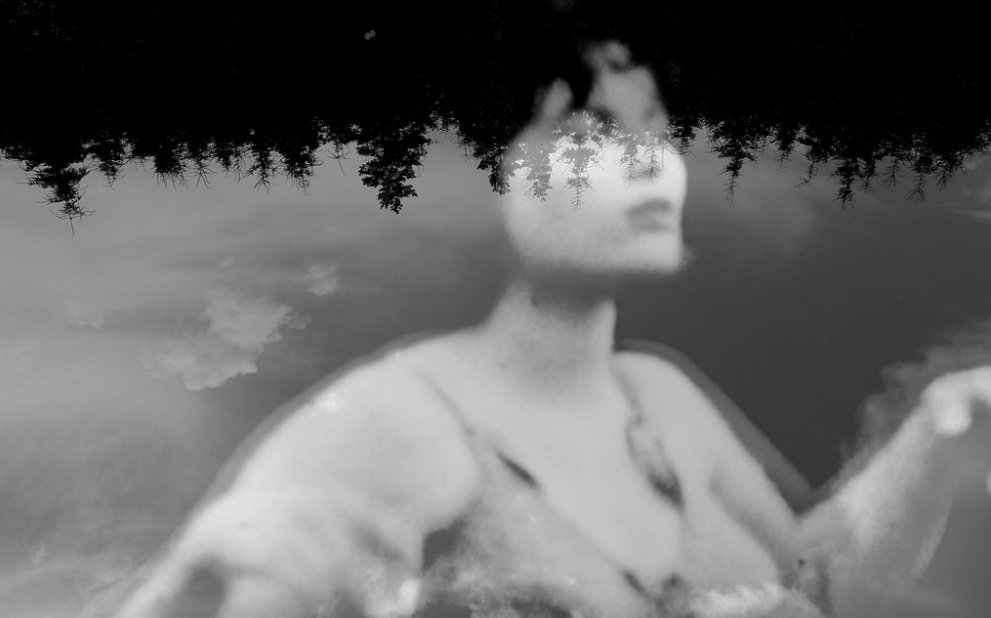
Photo: Rigmor Bjørnevik
There have been countless scientific studies on the effect of music on brainwaves, cognition, and emotions. In neuroscience, the latter is particularly popular. A much-cited meta-study from 2020, analyzing data from 47 different neuroimaging studies, underlines that the effect of music is not limited to certain brain structures or the “classical” emotion centers, but has a profound, widespread impact on emotion networks and reward systems spanning the entire brain.
While music and emotions is a widely covered topic, fewer studies have explored the effect of music on focus and work performance. One paper from February 2025 did exactly that. In this experiment, the researchers tested participants’ performance in a demanding psychological task under four different music and audio conditions: “work flow” (intrstrumental music with strong rhythms, simple tonality, and moderate dynamics), “deep focus” (more minimalistic, intrumental music with weaker rhythms), “pop hits” from Billboard’s Hot 100, and “office noise.” Interestingly, only the “work flow” condition had a pronounced effect. This music, however, gave rise to significant and positively correlated improvements in both mood and performance.
What does this tell us? The researchers point to what we call the “arousal-mood theory” of music’s cognitive impact: listening to music affects mood and arousal, which then again affects performance and cognitive skills.
…That brings us to the never-ending question:
What should I play?
To that, there is no definitive answer. On the contrary—music taste is as varied as any other preference or trait. If we interpret the researchers correctly, the mood it conjures is just as important as the genre.
But if you’re interested in some tips or inspiration, here are a few of my personal favorites, which all share the quality of being (more or less) instrumental.
Work and deep-focus writing: downtempo and trip hop
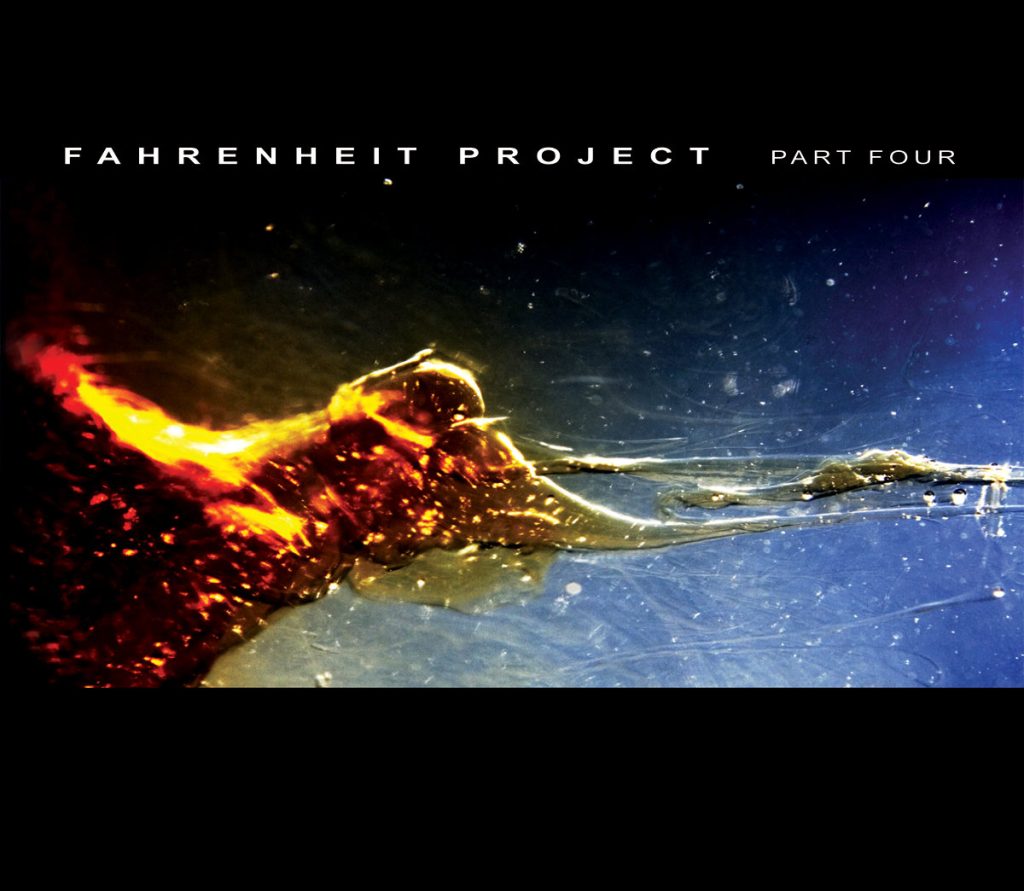
If someone asked me: “What’s your ultimate go-to writing music?” I would say, without hesitation: Fahrenheit Project. Through seven volumes released over ten years, these compilation albums take us on a soulful, mind-expanding journey through the landscapes of downtempo, psychill, and ambient electronic music, featuring a solid selection of well-established artists and newcomers within the genre.
That’s how I had the pleasure of discovering the Swedish duo Carbon Based Lifeforms. Equally perfect for quiet nights on the couch, long walks in the forest, and creative writing sessions, their atmospheric soundscapes paint dream-like pictures of nature, cosmos, and streaming consciousness.
Trip hop is also an excellent genre to play in the background for such quiet, concentration-based undertakings—whether it’s the classic 90s tunes of DJ Shadow, Air, Underworld, or Archive’s Londinium (if you can handle a little bit of vocals), or the more jazzy/fusion-inspired counterpart, featuring artists such as St Germain, Bonobo, and The Cinematic Orchestra.
If you vibe to a mixture of soft tunes, jazzy beats, and comfy lounge electro, I have a carefully curated playlist you’re more than welcome to shuffle in the background next time you are focusing—or just unwinding.
(Science) Fiction: dark synthwave, EDM, and ambient

To those who know me, it’s no secret that I love writing science fiction—both YA and adult. It’s a hobby I have cherished ever since I was a teenager myself, and throughout the years, music has been an immense source of inspiration.
In this context, I have found that one of my most played artists is the French dark synthwave pioneer Perturbator—especially albums such as I Am the Night and Nocturne City, with their dark, dystopian undertones and cyberpunk associations.
Still, in the universe of inspiring sci-fi music, there is one album that stands out above all, and that is Lost Spirits by Hidden Empire.
I can’t tell you how many hours I’ve spent in the company of this album, or how many action sequences and story ideas it has contributed to forming. But I can tell you this: if you’re drawn to adventurous melodies, suspenseful treble, and pulsing, heavy bass lines, it’s more than worth giving a listen.
If you’re looking for something a little less bass-heavy but equally imaginative and cinematic, Norwegian black-metal-turned-experimental-electronica band Ulver’s album Perdition City is a timeless classic, which in itself is a futuristic odyssey.
Are you after something even calmer for a deeper and more atmospheric setting, perhaps an ever-so-little dungeon crawl, you should check out Atrium Carceri. With a vast discography of fourteen studio albums and an equal number of collaboration projects, his dark, droning ambient tunes are excellent for setting the mood.
Versatile all-time favorites
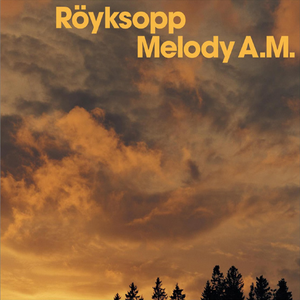
Now we’re moving back again to the era of late 90s/ early 2000s trip hop, but I think Röyksopp’s Melody A.M. deserves its own honorable mention as one of the top writing/working/background albums I have in my library. As a bestselling, chart-topping classic, I believe it requires no further introduction—only a repeated listen.
Let’s pivot in a different direction. UK-based dark synth artist DEADLIFE is, like Perturbator, generally great for writing sci-fi. However, he has one album that stands out from the rest in both mood and style. As opposed to his typical dark and bassy cyberpunk tracks, Rebel Nights is a retrowave-inspired chillsynth experience flushed with lighthearted drum beats and easygoing melodies to let your daydreams float to. It’s also my favorite album to play on lazy summer afternoons.
Speaking of summer afternoons, the instrumental post-rock band Maserati is definitely worth a mention. Their relaxing guitar riffs and brainwave-stabilizing rhythms are just as suitable for working as for sunbathing on the balcony.
Another, slightly newer band that has inspired me a lot the past few years is Kerala Dust. With an unholy mix of desert rock, deep electro beats, and brooding vocal elements, their inventive musical landscape is as intriguing as it is tranquilizing.
Finally, a little shoutout to my fellow extreme metal enthusiasts. If you also get distracted by too much tempo and vocals, but like it heavy, dark, and atmospheric, I can recommend Satyricon & Munch as a perfect backdrop for diving down into immersive writing sessions.
Although music taste is subjective, I hope I have contributed at least a couple of new insights.
And if you haven’t already, I hope you get the chance to discover the magic of utilizing music in writing and any other form of creative or non-creative work.