

The Magic of Music Part 2: Faster & More Furious
First and foremost: “Faster & More Furious” is not one of the 11 (debatably) clever varieties of the movie titles in the popular American street-race franchise. It is, however, the title of this blog post—a sequel to my earlier post, The Magic of Music.
In the first part of this (soon-to-be) series, I briefly discussed how music affects the brain, more specifically emotions, cognition, and work performance.
Did you also know that music interacts with the brain’s motor pathways?

Photo: Leo_Visions / Unsplash
The fact that music has the ability to make us move might not come as shocking news. We’ve all felt the need to tap our fingers, bob our heads, or stomp our feet (or the clutch?) when a song we love comes on the radio In 2023, a group of researchers took this concept one step further by testing how music with different emotional connotations affected the brain during movement. They used EEG to record brain activity while participants either tapped their fingers or sat still, listening to music that was either happy or neutral in mood. What they found, very simply put, was that happy music altered movement-related brain activity, indicating a stable coupling between certain kinds of brainwaves and certain kinds of music. This effect, however, was weaker when participants were already engaged in movement.
Why is that?
Perhaps because the activity of listening to emotional music and performing a motor task—even a tiny, simple motion such as tapping your fingers—engages overlapping sensorimotor networks. When people are already engaged in an activity, that motor activity dominates the signal and thereby reduces the measurable impact of music-induced emotions. In other words, music vs. movement is not a one-way interaction.
We might go out on a limb here and call that a good thing. Perhaps we can even go out on a limb and interpret this as a sort of proof that our brains can do two things simultaneously: enjoy good music without letting it interfere with the ongoing finger activity—which, in this context, involves tapping away at a keyboard.
That brings us to the next part of this post.
After all, the main purpose of this series is to recommend some decent background music for working, writing, and any other kind of creative or non-creative project.
Like many people, I often prefer softer forms of instrumental music when I work or write, which was the common denominator for many of my previous recommendations. In this round, however, I have chosen music that’s a little bit more lyrics-heavy, but at the same time has a rhythm, mood, and/or balance which—in my ears, at least—makes for perfectly comfortable yet brain-engaging soundscapes fit for work.
I don’t mean literally fast-paced and furious, but perhaps a little… what should we call it… less “background music-y.”
…So before we commence, perhaps we should allow ourselves a slight rephrasing of the title:
The Magic of Music Part 2: A little bit faster, but not that much more furious—because this is music that feels just as right behind the desk as it does behind the wheel, cruising around at a steady 40 mph.
80s post-punk
If the topic were simply 80s post-punk, this blog post could have gone on for practically forever. Yet in this case, we’re talking about 80s post-punk in the context of writing and working, in which case, I have a few picks I always find myself returning to.
One of these is The Chameleons, particularly their 1983 debut album Script of the Bridge. With its solid basslines, melodic guitars, and dream-like, existential lyrics, this album offers a captivating backdrop to any kind of session, including work.
A band I came across quite recently (but who are far new), is The Snake Corps with their 1985 album Flesh on Flesh. If you’re drawn to the gothic guitar and bass undertones by the likes of Joy Division and The Smiths, they are definitely worth a listen.
Speaking of gothic: The Cure has earned a well-deserved spot on my list of all-time favorite bands. I am, however, not a devoted fan of what The Cure is perhaps most known for, which are the happy-go-lucky hit tracks often played on the radio. Their early works, on the other hand, particularly Faith and Seventeen Seconds, I can never get enough of. With their comfortable, almost droning mix of mellow tunes and deep–hitting bass guitar, these albums are perfect for atmospheric autumn nights by candlelight, if you’re feeling a little bit Edgar Allan Poe-ish (which a good friend of mine once called me when I sent him a picture of my work station on a murky October evening).
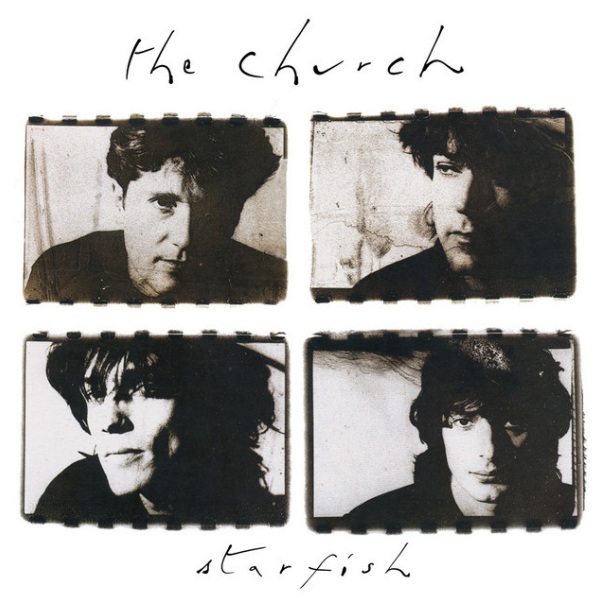
Right now, however, it’s not autumn. It’s almost summer. And as such, I’d like to grant myself the satisfaction of presenting one of my all-time favorite albums—autumn as well as spring and summer: Starfish by The Church. Nostalgia is a keyword when describing this album. Shifting between heartfelt, acoustic ballads and clean, pure 80s rock, it’s not something one would typically define as background music, but to me, it has a very particular effect on both brainwaves and inspiration.
90s grunge and stoner rock

As an oldschoold punk rock fan swearing to my leather jacket and my 15-year-old Doc Martens, I always had a fondness for grunge. Alice in Chains, Soundgarden, Pearl Jam, Nirvana—I can keep on going. Naturally, not everything is equally appropriate when you’re sitting down by your desk, about to immerse yourself in hours of work. Yet as with the post-punk, there are certain albums that to me have a timeless appeal without being too distracting to the keyboard-tapping.
We can start off a bit “simple”: Stone Temple Pilots‘ 1992 album Core. There’s not much else to say about this album, besides that it’s dirty, driving, and covered in desert dust, bringing the California heat straight home to your computer screen.
At the beginning of this section, I came to mention Alice in Chains: a band I have been raised on almost literally, which I’ve always cherished deeply. In later years—especially after sitting at Ekebergsletta on a warm and beautiful summer afternoon, experiencing his live performance at Tons of Rock—I have really opened my eyes to (backing) vocalist, guitarist, and lyricist Jerry Cantrell‘s solo albums. Degradation Trip is a dark and introspective journey through the trenches of the human experience that is somehow also very uplifting—and in some odd way, very comfortable to write to.
I might be stretching it a bit far if I’m to mention Faith No More in this context, but I’ll do it anyway. We can’t technically label them neither grunge nor stoner; their genre-mix touches upon so many different styles. But 90s rock, they definitely are. Their album Angel Dust is all-time favorite in my library, and lately, I have found it actually makes quite the smooth writing music—if anything, it puts the pedal to the metal.
We’ll wrap up this category in a sludgier manner: Kyuss—the breakthrough band of Queens of the Stone Age frontman Josh Homme—and their 1994 album Welcome to Sky Valley. I previously referred to Stone Temple Pilots as “covered in desert dust”, but I can tell you, it’s nothing compared to this. The thick desert dust of this genre-defining stoner rock album will definitely get your brainwaves going, if those are the kind of brainwaves you are looking for.
Vide game sountracks (and close enough)
Yes, that’s right. Video games.
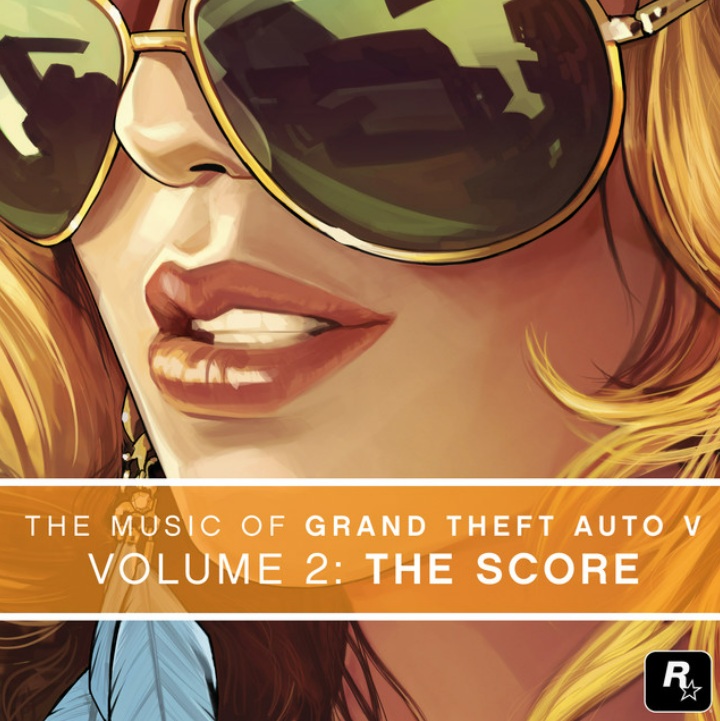
Did you know that it was the 70s synth electro legends Tangerine Dream (in collaboration with previously mentioned 90s trip hop pioneer DJ Shadow, among others) who made the score to GTA V?
Here, you get a lovely mix of smooth electronica rhythms and suspenseful beats that bring you all the way from dirty street corners to summer vibes and Mexican standoffs, viewed from a uniquely sophisticated distance. It still holds a long-term position on the top list of my all-time favorite writing/working albums.
(And if there’s anything in this post that actually relates “Fast & Furious”, at least thematically, it’s this.)
In addition to summer vibes and Mexican standoffs, it’s no secret that I’m a huge fan of synthwave and science fiction. While I still haven’t had the pleasure of playing the 2020 cyberpunk slasher/platform-game Ghostrunner, I am highly familiar with the soundtrack. Composed by Daniel Deluxe, one of my favorite synthwave artists, it offers an immesrive dive into the neon-lit cityscape of the mind.
A game I have played through (way too many times) is Deus Ex: Mankind Divided. Both this and its prequel Human Revolutions—the sequel to the classic 2000 sci-fi game Deus Ex—have a beautiful soundtrack composed by Michael McCann and Sascha Dikiciyan, aka Sonic Mayhem. If you’d like to tune it down a bit and put on something quieter, perhaps even more immersive, I would definitely recommend trying this in the background.
I could keep this going on forever, but at the risk of losing the attention of my potential readers, I choose to end with one last (more than) honorable mention. I also choose to “cheat a little”, as renowned Norwegian TV-chef Ingrid Espelid Hovig allegedly never said, including something that’s not a technically video game soundtrack but ‘close enough’ in the sense that he’s created music for both movies, games, and TV shows:
Joel Thomas Zimmerman, aka Deadmau5.
Believe it or not, I love Deadmau5. Especially during this time of year, whether I am chilling on the balcony, going for a run, or sitting down to write/edit a 20-page sequence. I could mention several examples—4×4=12, Random Album Title, For Lack Of A Better Name, or every single one of his collaboration albums titled We Are Friends—but in this context, I choose to recommend while(1<2). Filled to the brim with melodic synth, club vibes, ambient piano interludes, and a fair pinch of that 8-bit 90s/2000s nostalgia, this album will elevate your working, writing, or creative journey to the next level without stealing your focus.
…I will wrap this up the way I did my last post: Music is, undoubtedly, subjective. Nevertheless:
I hope I have contributed at least a couple of new tips – if not for the work desk, then at least for the next road trip.